As normal people, we don’t even notice the ordeal faced by disabled people in getting their additional needs met for giving any kind of examination.
These challenges range from achieving timely approvals to use a scribe to getting exam questions in an accessible format and being given some extra time.
Such an issue was kept at the forefront in Supreme Court judgment, which was delivered by Justice D Y Chandrachud in Avni Prakash v/s National Testing Agency and Ors.
What was the case?
Avni Prakash the petitioner has dysgraphia, a disorder that causes impaired handwriting. Prakash appeared for the NEET examination on September 12, 2021. Avni asked for granting one hour of compensatory time, in addition to the three hours which were prescribed for regular candidates. But on the day of her examination, the appellant’s answer sheet was snatched away from her on the completion of three hours and she was not given any compensatory time.
What did the court said?
Prakash approached the Bombay High Court. The National Testing Agency debated that candidates with disabilities had to endow a disability certificate in the format prescribed in the NTA’s information bulletin for the examination.
NTA says that the appellant’s case would be considered on the certificate being furnished. The appellant was told when she went to obtain the certificate that the prescribed certificate had to be produced for seeking reservation at the time of admission to a medical college, not at the time of examination.
Surprisingly, the High Court dismissed the petition due to her failure to produce the prescribed certificate and even went so far as to characterize her disability status as being “purported”.
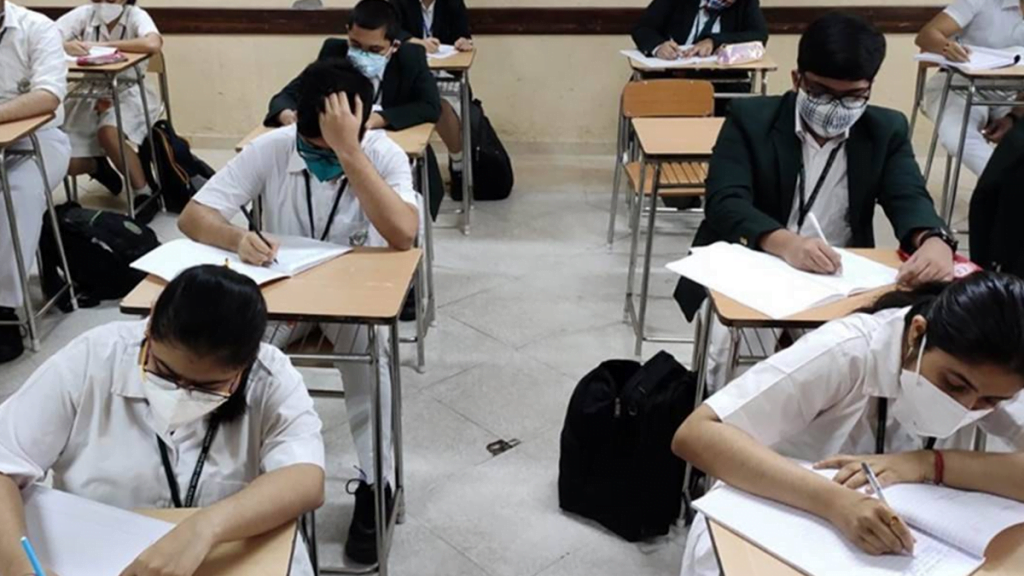
On inclusive education, the court adhered that the Rights of Persons with Disabilities Act, 2016 recognizes the principle of inclusive education for children and adults with disabilities. Amongst all the measures that the Act outlines is the duty to make suitable alterations in examination systems, though granting the extra time.
Supreme Courts observation
It said that that prescribed had to be available at the time of admission and not at the time of examination. It further added that the appellant’s invigilators lacked appropriate training, in debt to which the appellant had been wrongfully deprived of compensatory time, by virtue of a “tragedy of errors”.
Supreme Court’s Judgement
Firstly it held that accepting the NTA’s argument would result in the RPWD Act being reduced to a deal letter.
Secondly, it called on the NTA to devise and report a suitable compensatory mechanism for the appellant within two weeks of the judgment.